Innovation
Agricultural technology built on a working farm, for working farms
Ursery Farms™ and Marcellus Farms™ are developing a technology-enabled agricultural operating platform designed to be adopted by small, beginning, and limited-resource producers.
Platform Workflow
One loop, from plan to plate to next season
- Stage 01
Crop Planning
Varieties, timing, and space allocated against expected demand.
- Stage 02
Production Monitoring
Field and greenhouse activity captured as it happens.
- Stage 03
Sensor and Field Data
Environment, soil, and irrigation telemetry collected continuously.
- Stage 04
Harvest Forecasting
Projected volume and timing by crop and bed.
- Stage 05
Inventory
Lot-level stock with location and condition.
- Stage 06
Customer Demand
Buyer, market, and community orders consolidated.
- Stage 07
Food Access and SNAP Purchasing
Allocation to SNAP-eligible and community channels.
- Stage 08
Reporting and Continuous Improvement
Results returned to planning for the next cycle.
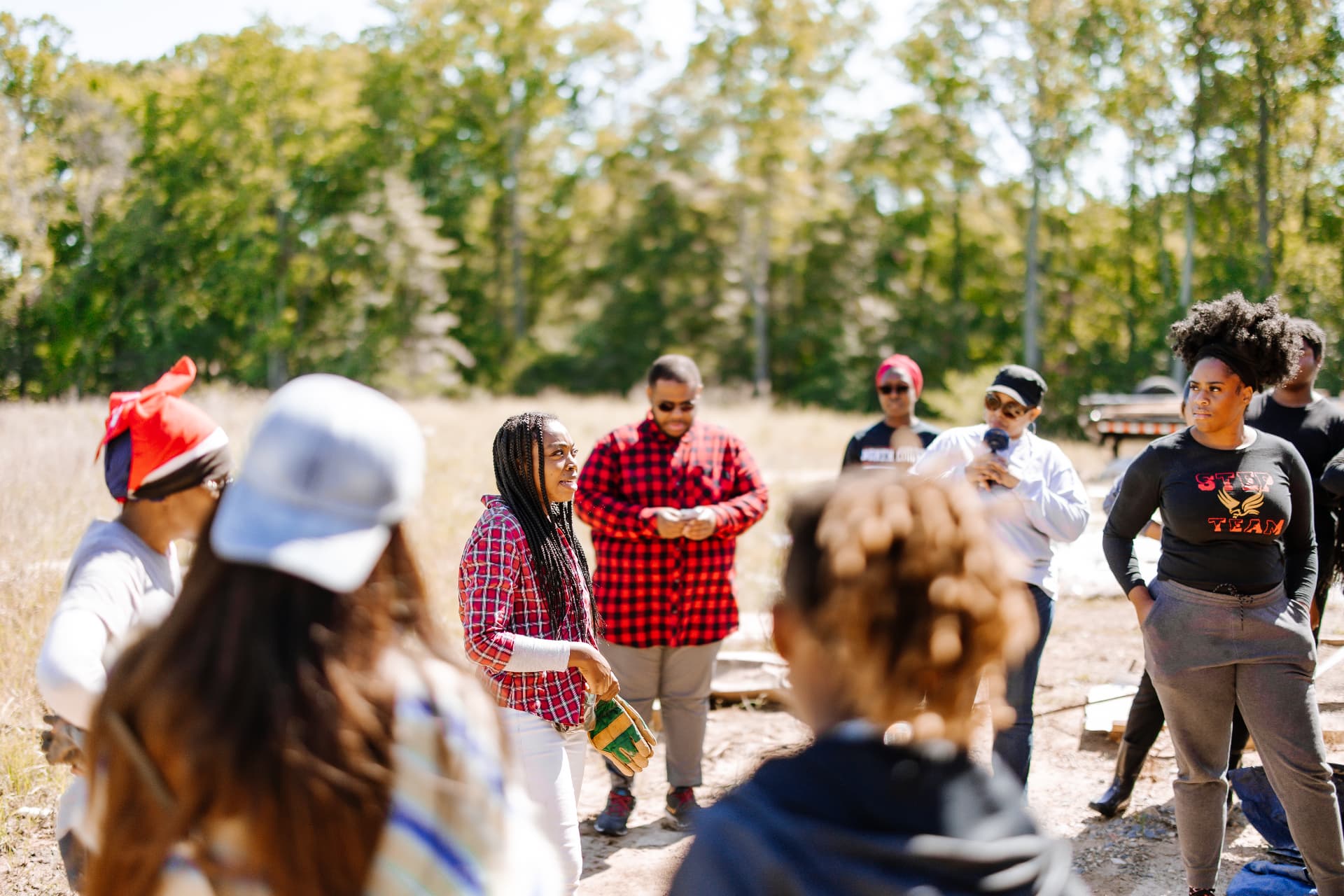
Marcellus Farms™ — Brandywine, Maryland
Every stage of the platform is designed around the real work of the farm.
How We Build
Development and commercialization disciplines
01
Customer discovery
Structured interviews with producers, buyers, and community partners before code is written.
02
Minimum viable product development
Narrow releases that solve one real recordkeeping or planning problem at a time.
03
Technology validation
Field testing against actual production cycles rather than demonstrations.
04
Intellectual property awareness
Clear handling of what is open, what is licensed, and what is protected.
05
Cybersecurity
Access control, patching, and monitoring appropriate to farm operational technology.
06
Data governance
Producers retain ownership of their production data; sharing is opt-in and revocable.
07
Commercialization planning
A path from internal tool to affordable product for other small operations.
08
Rural innovation
Designed for intermittent connectivity, small budgets, and lean staffing.
09
Support for small, beginning, and limited-resource producers
Low-cost tiers and hands-on onboarding rather than self-service only.
Data Governance
Producers keep ownership of their data
Production records, sensor readings, and sales data are owned by the producer who generated them. Sharing is opt-in, purpose-limited, and revocable at any time.
Aggregated findings from demonstrations are published openly so other small, beginning, and limited-resource producers can benefit without surrendering their own operating data.
Platform: In DevelopmentCapabilities
What the platform is being built to do
- Crop planning
- Production records
- Harvest forecasting
- Inventory management
- Customer demand
- Food-access purchasing
- SNAP-eligible sales
- Producer analytics
- Workforce credentialing
- Replication by small, beginning, and limited-resource producers