Land. Legacy. Technology. Purpose.
Rooted in Stewardship.Built for What Comes Next.
Ursery Farms™ is where agricultural knowledge, generational land stewardship, modern technology, workforce preparation, food access, and God-given purpose come together.
Come learn the work. Build the future. Grow into what you were planted to become.
Where Land, Legacy, Technology, and Purpose Meet
Ursery Farms™ is cultivating more than crops. We are cultivating knowledge, confidence, careers, businesses, healthy communities, agricultural innovation, and a new generation of land stewards.
Ursery Farms is a federally recognized 501(c)(3) nonprofit organization. Ursery Farms delivers the education, workforce, food access, and stewardship programs described on this site, using Marcellus Farms™ as its living laboratory.
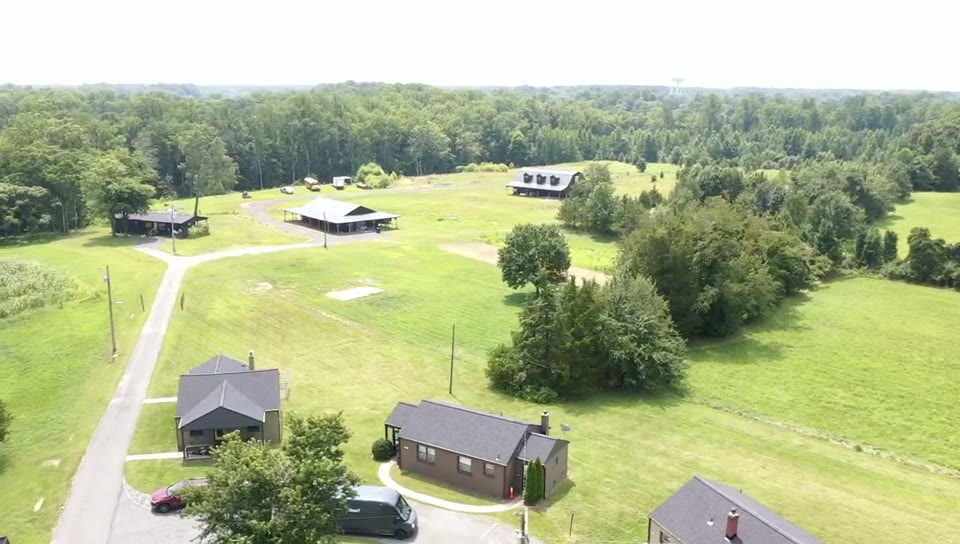
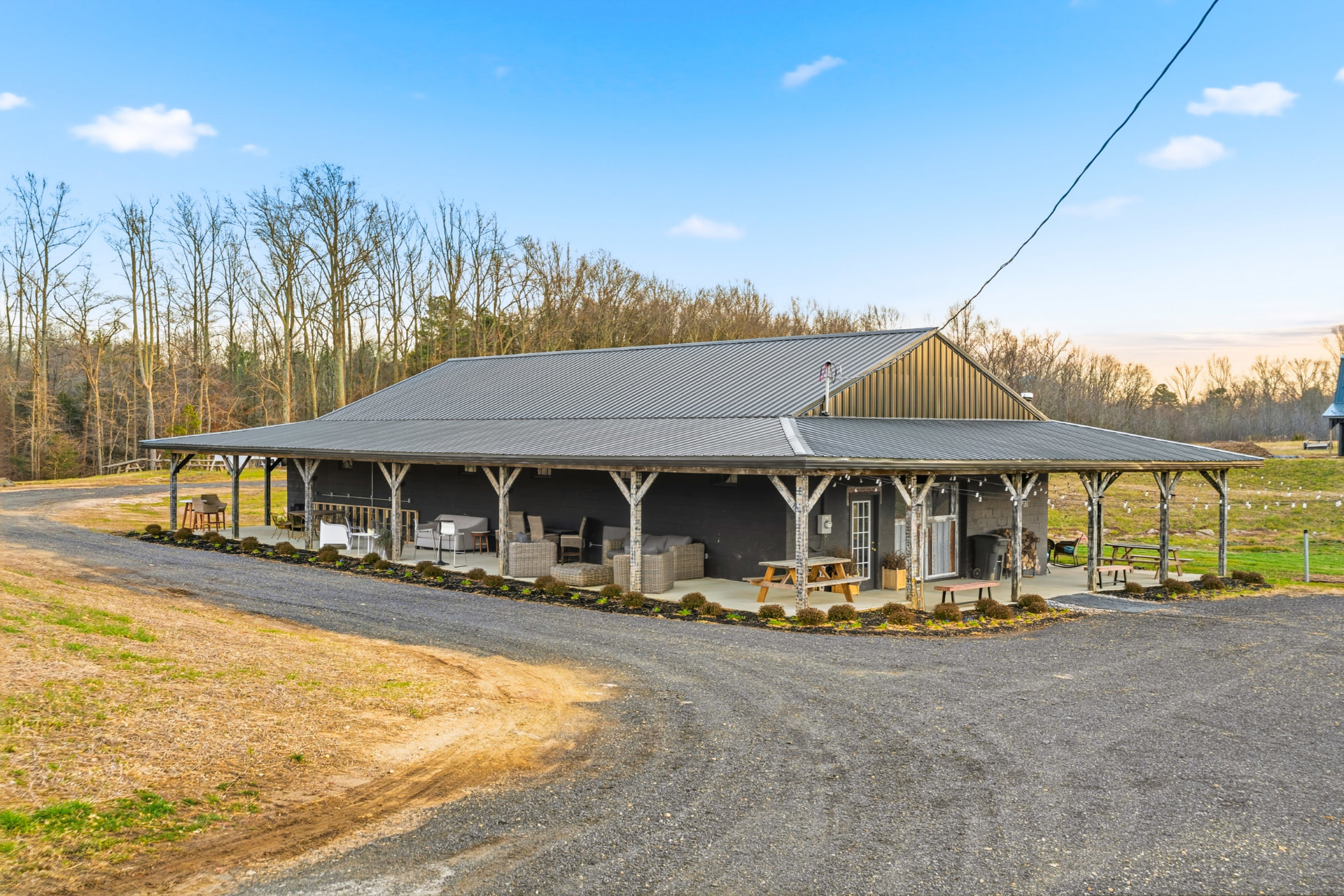
Read our storyForty-One Acres of Possibility.
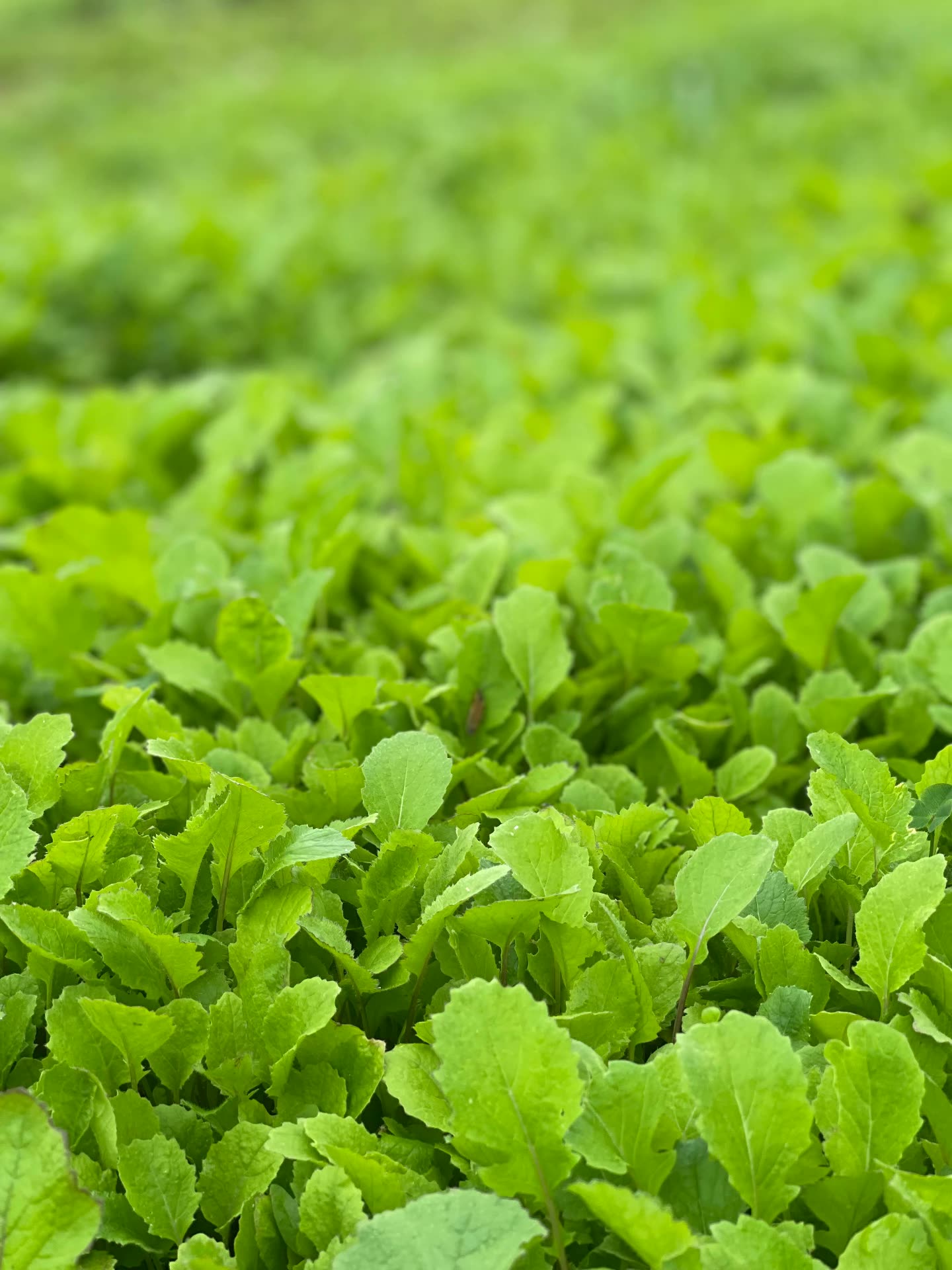
Working acreage
A living laboratory, not a demonstration plot
Production
Field crops, season-extension growing, and post-harvest handling
Stewardship
Soil health, water management, and environmental resilience
Community
Food moved to the people who need it, locally
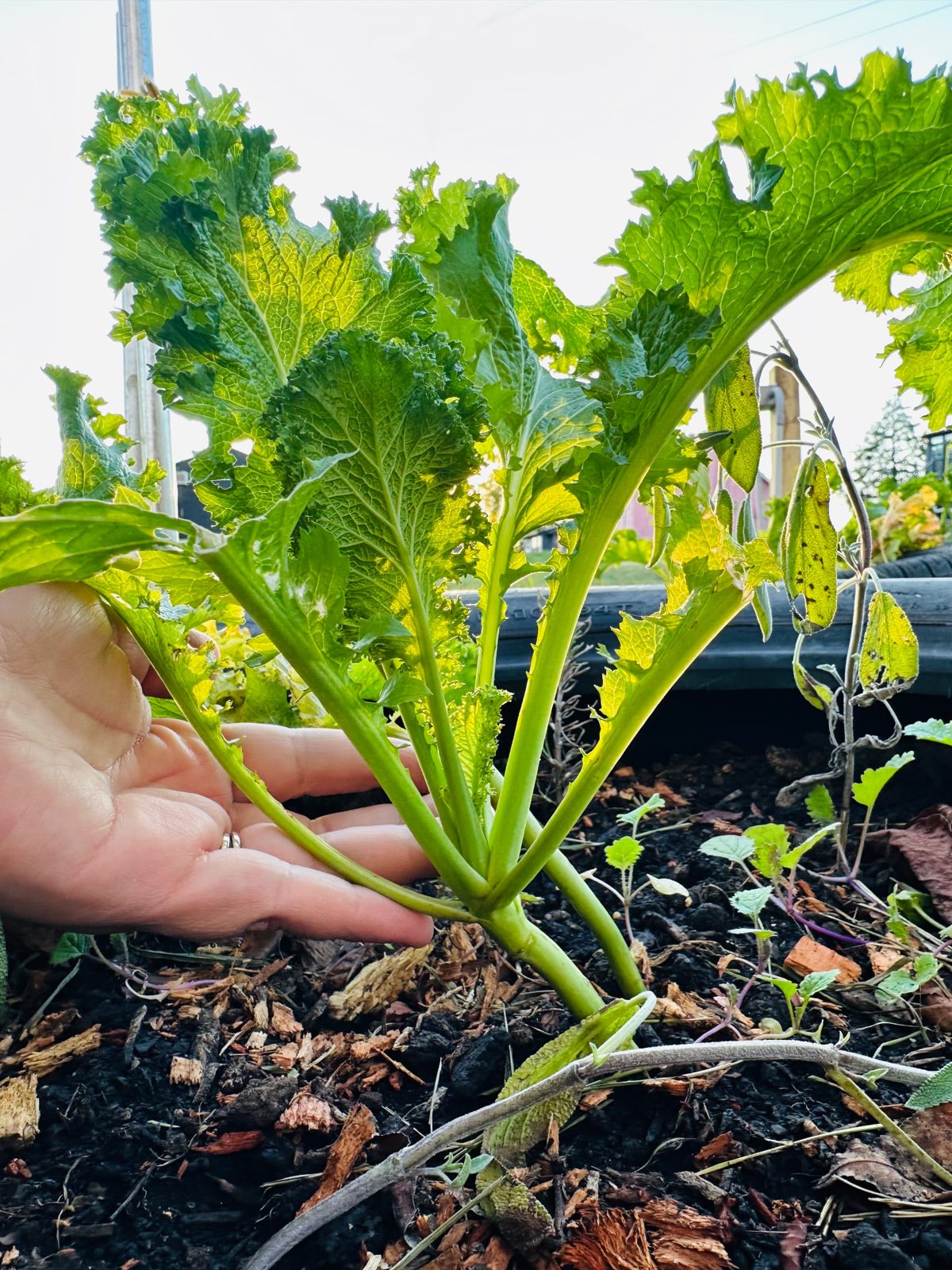
Our History Is in the Soil.Our Future Is Ours to Grow.
Skill, not folklore
Generations of family farmers built agricultural knowledge that fed regions — seed selection, soil management, irrigation, marketing, and cooperative business. That knowledge is technical, and it is inherited.
Ownership was contested
Family farmland ownership peaked early in the twentieth century and then fell sharply through unfair lending, closed doors at agricultural institutions, and heirs-property loss. We name that plainly.
The response is to build
Ursery Farms exists to create new agricultural opportunity: training, credentials, technology, land access pathways, and businesses that stay in the community that built them.
Ownership changes futures. So does a credential, a market, a piece of land, and a young person who learns the work early.
Purpose and Calling
Purpose Grows Here.
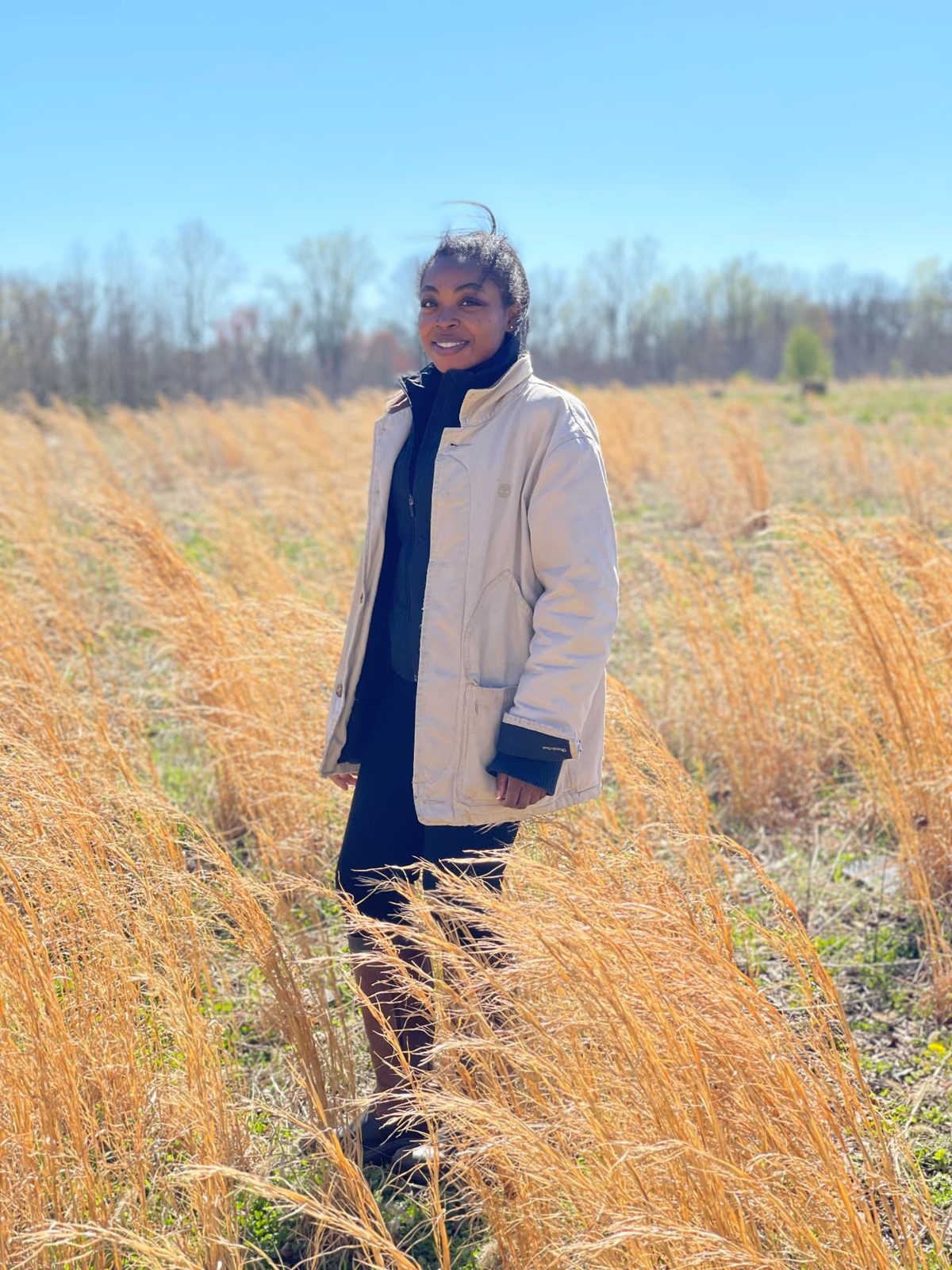
We believe every person carries God-given purpose. Through land, service, skill, discipline, technology, and community, Ursery Farms creates space for people to discover what they are called to build, lead, protect, and pass forward.
Rooted in faith. Open to all.
Discover Your PathPathways into apprenticeship, volunteering, careers, and community programs.
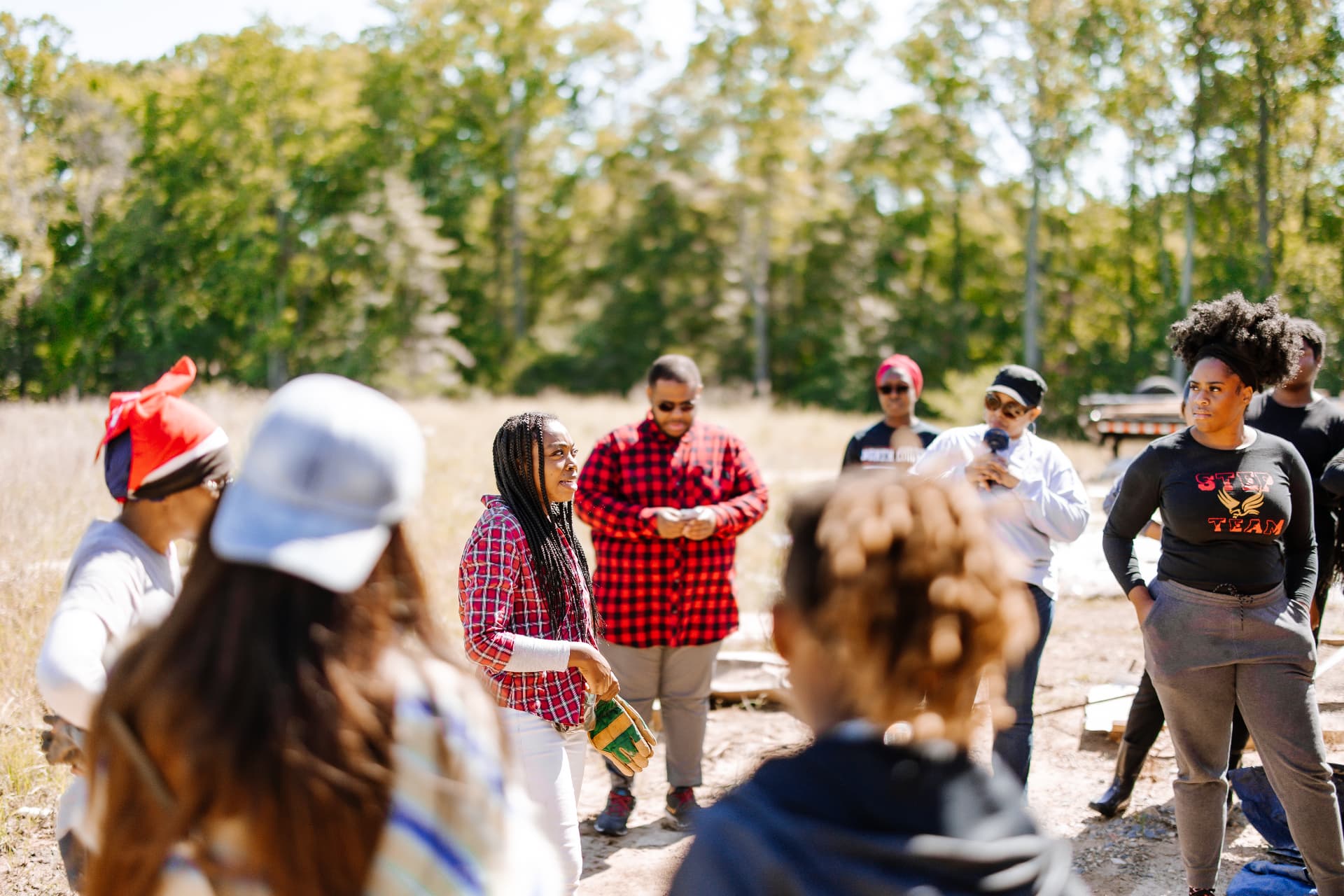
Learn the Land.Master the Systems.
Soil and Crop Science
Read the ground before you plant it. Fertility, structure, rotation, and plant health.
Controlled-Environment Production
Grow through the seasons inside season-extension structures and greenhouses.
Irrigation and Water
Design, run, and troubleshoot the systems that keep a crop alive.
Sensors, IoT, and Automation
Instrument the farm. Read the data. Act on what it tells you.
Food Safety and Post-Harvest
Handle, cool, pack, and trace food the way buyers and regulators require.
Data and Traceability
Records, inventory, and analytics that make a small farm competitive.
Agribusiness
Pricing, markets, contracts, and the arithmetic of ownership.
Community Food Systems
Move food to the people who need it, at a price that respects them.
What We Do
Six pillars of a resilient regional food economy
Agricultural and Life Science STEM Education
Life-science and technology learning that connects classroom concepts to working fields, greenhouses, and soil.
Workforce and Career Pathways
Cohort training, internships, and work-based learning that prepare people for skilled agricultural roles.
Agribusiness Research and Demonstration
Applied trials in season extension, crop planning, and post-harvest handling, shared openly with producers.
Food Access and Community Food Systems
Community markets, local distribution, and nutrition education across Southern Maryland.
Agricultural Technology and Data
Sensors, automation, and analytics made practical and affordable for small, beginning, and limited-resource producers.
Environmental and Infrastructure Resilience
Stewardship practices with resilient power, water, and wastewater systems built for rural conditions.
Build What Comes Next.
Apprenticeship Pathway
Earn while you learn: paid, employer-supervised work paired with related technical instruction.
Learn moreFood Access
Move fresh food into the community through markets, distribution, and SNAP-eligible sales.
Learn moreInnovation
A producer-owned agricultural operating platform built to be adopted, not admired.
Learn moreCommunity Leadership
Mentorship, teaching, and stewardship roles for people who stay and build.
Learn moreYou Do Not Just Visit. You Become Part of the Story.
Campus Vision Tours
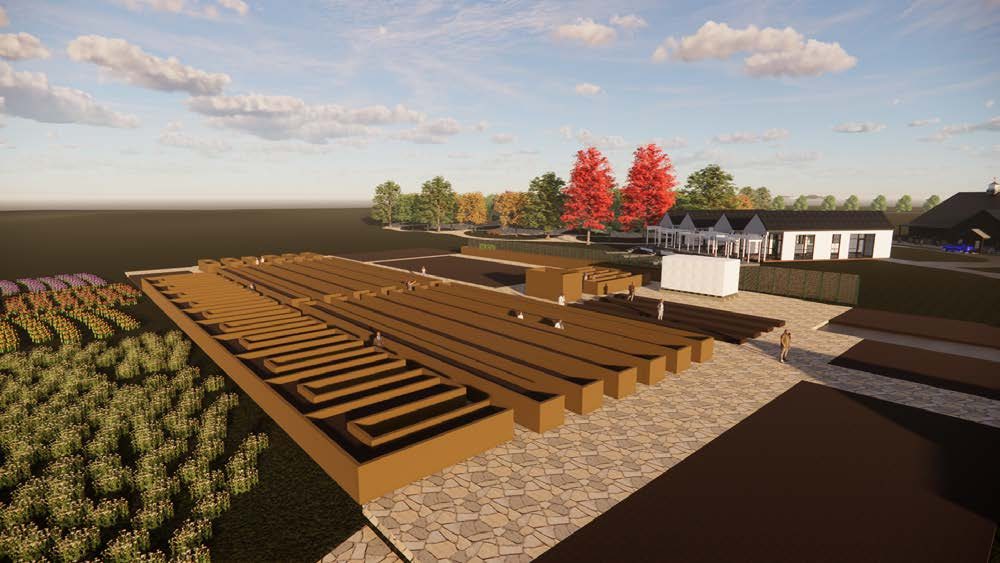
Stand where the planned campus is drawn and understand how the ecosystem fits the land.
Volunteer Farm Days
Work a real season alongside neighbors, students, and growers.
Agricultural Technology Demonstrations
See sensing, irrigation control, and production data in practical use.
Youth Agricultural STEM Experiences
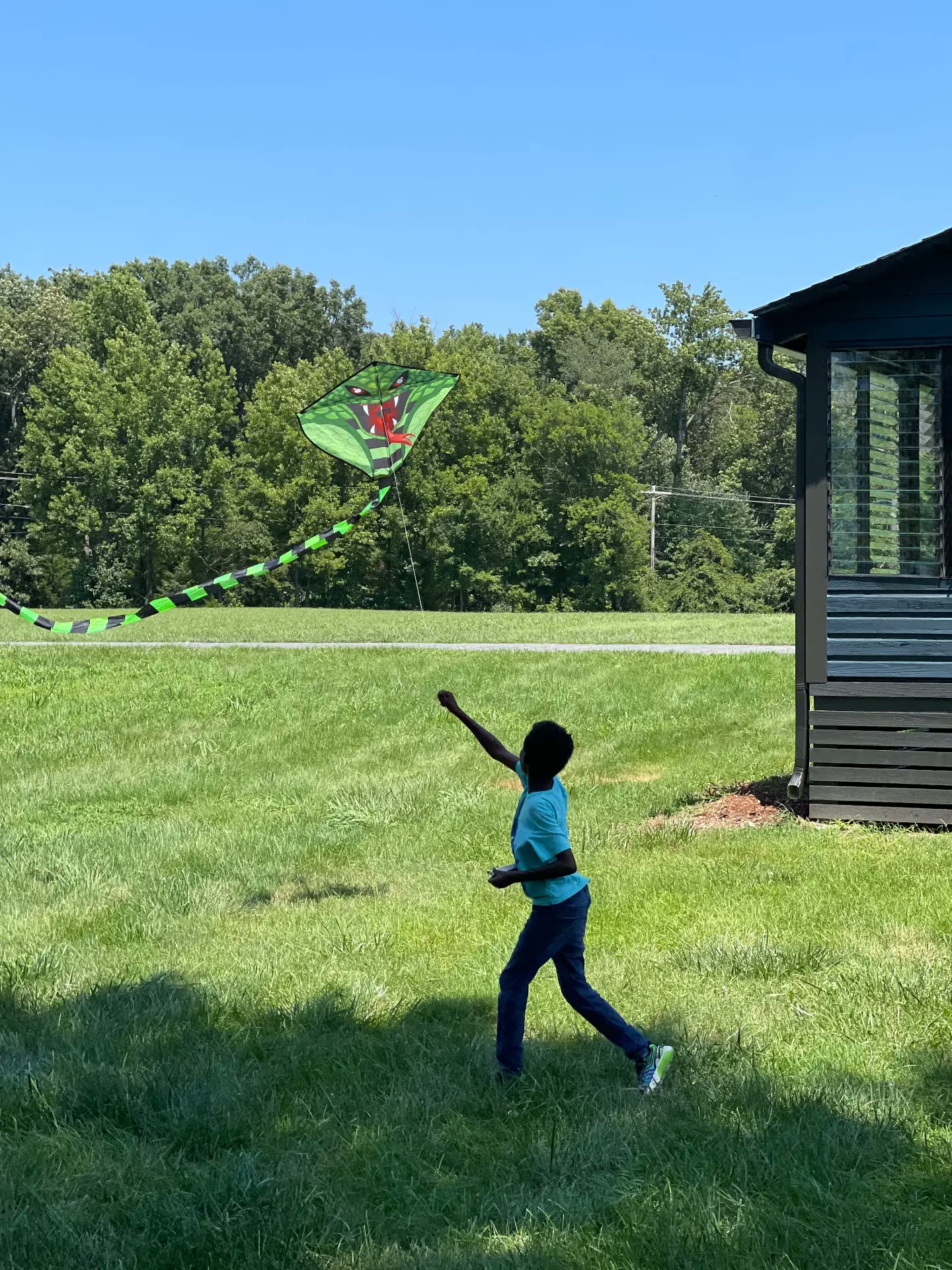
Hands in soil, eyes on instruments, questions welcome.
Community Gatherings
Meals, harvests, and celebration on the land.
Anticipated Campus Development
Heritage Meets Innovation Here
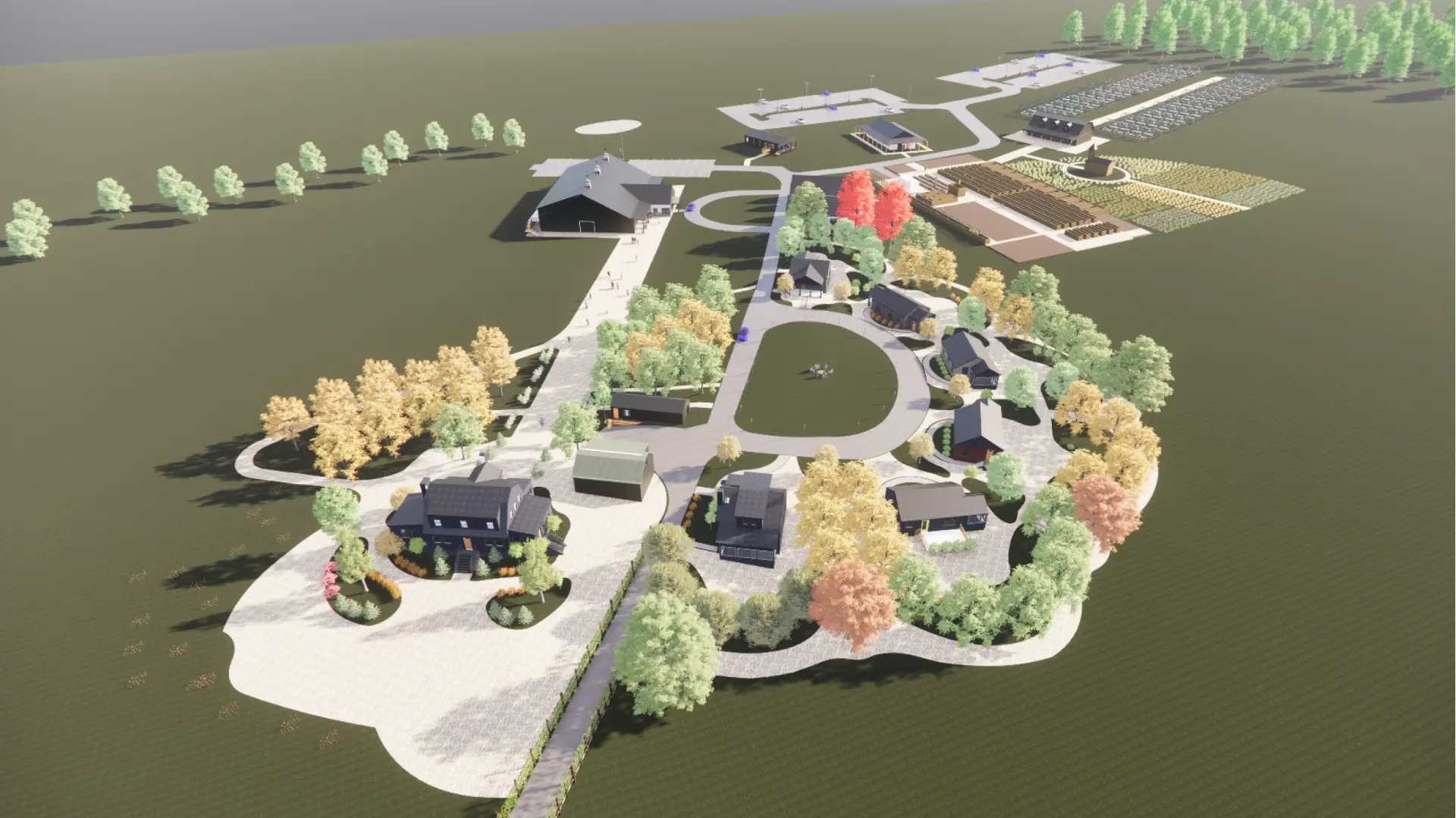
Agribusiness Research and Demonstration Spaces
Applied research, demonstration plots, and producer technical assistance.
Agricultural STEM Learning Spaces
Laboratories and classrooms for plant, soil, water, and food science.
Ten 30-by-60-Foot Season-Extension Growing Structures
Training greenhouses for controlled-environment production instruction.
Agricultural Technology and Data Systems
Production dashboards, traceability, and workforce outcome tracking.
Food-Safety and Post-Harvest Training Areas
Wash, pack, cold-chain, and food-safety instruction environments.
Workforce Education Spaces
Cohort space for classroom, laboratory, and work-based learning.
Internship and Apprenticeship Pathways
Structured placements developed with participating employers.
Food-Access and Distribution Operations
Aggregation and distribution supporting community food access.
Resilient Water and Energy Systems
Decentralized rural infrastructure engineered for continuity of operations.
Beginning-Farmer and Small-Business Support
Advising space for crop planning, business planning, and market readiness.
Who We Serve
Sixteen groups with a stake in this work
- Youth and students
- Adult learners
- Jobseekers
- Beginning farmers
- Small, beginning, and limited-resource producers
- Food entrepreneurs
- Agricultural businesses
- Families seeking local food access
- Schools
- Community organizations
- Veterans
- Educators
- Volunteers
- Employers
- Researchers
- Rural and suburban communities
What We Are Growing.
- Students Trained
- 120Three-Year Planned Target
- Certificates Completed
- 24Three-Year Planned Target
- Internships and Apprenticeships Supported
- 30Three-Year Planned Target
- Beginning Farmers Assisted
- 30Three-Year Planned Target
- Pounds of Produce Distributed
- 75,000Three-Year Planned Target
- Community Volunteers Engaged
- 300Three-Year Planned Target
Ways to Engage
Find your pathway into the work
Agricultural Updates
What is happening now
USDA
U.S. Department of Agriculture program announcements
Federal announcements on farm programs, food and nutrition assistance, rural development, and agricultural research relevant to our education and food-access work.
View sourceUpdated continuouslyMaryland Department of Agriculture
Maryland Department of Agriculture news and grower notices
State-level guidance on conservation practices, farmland programs, marketing, and grower compliance relevant to producers in Southern Maryland.
View sourceUpdated continuouslySenate Appropriations — Agriculture
Senate Appropriations Subcommittee on Agriculture proceedings
Hearings, markups, and bill text from the subcommittee that oversees USDA, FDA, and related agencies.
View sourceUpdated continuously
Chapter Seven — The Invitation
Come See It. Come Learn It. Come Build It.
This is your invitation. What will you grow?